




The occurrence of high-energy detonations within densely populated metropolitan areas presents an array of catastrophic challenges for structural engineers, emergency first responders, and safety analysts worldwide. The shocking footage available for review delivers a visceral, multi-angled compilation of severe blast events ripping through residential and commercial quarters across different times of the day. Through a synchronized split-screen presentation, this video provides a critical window into the mechanics of rapid combustion, structural failure, and immediate atmospheric contamination. By conducting a meticulous urban explosion analysis, this comprehensive article will break down the sequential stages of these powerful detonations, exploring the underlying physics of the shockwaves and the subsequent environmental fallout. Understanding these violent phenomena is essential for developing advanced architectural reinforcements, improving civil defense strategies, and mitigating the lethal risks associated with modern city-center disasters.
The sheer scale of destruction captured in these frames underscores the immense vulnerability of contemporary concrete and steel configurations when subjected to sudden, extreme overpressure. As the footage transitions between nighttime scenes and overcast daylight conditions, the universal nature of explosive physics becomes undeniably clear. Each independent perspective captured by observers highlights how quickly a stable community can be transformed into a high-risk zone within a single fraction of a second. This deep dive aims to dissect the visible data, offering an educational perspective on how thermal energy interacts with the surrounding air and built environment. By examining the visual timeline from the instant of ignition to the generation of massive debris clouds, we can better comprehend the true magnitude of these tragic events.
The Physics of Shockwaves and Thermal Flash Evolution
Initial Ignition and Rapid Fireball Expansion
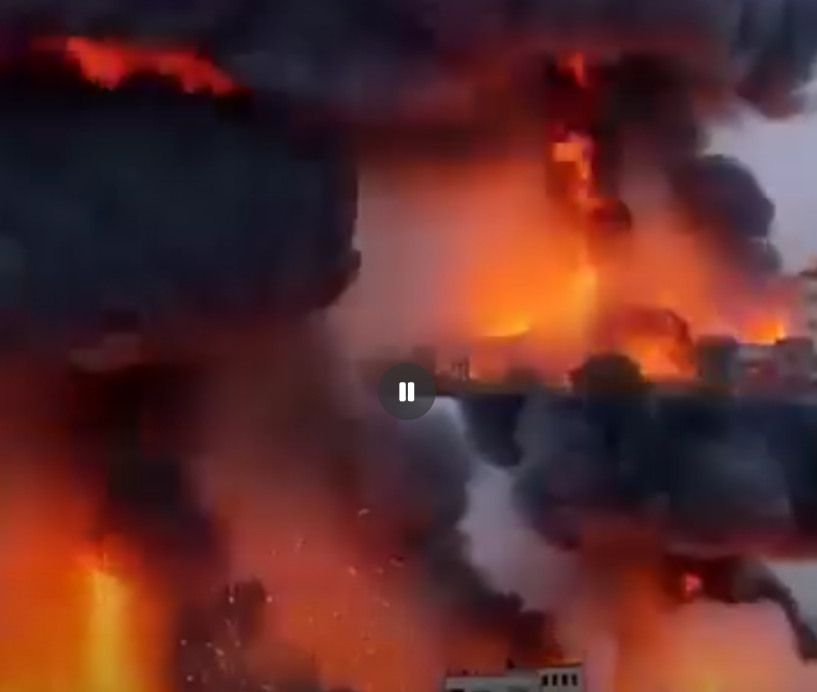
At the precise moment of detonation, the footage reveals a blinding flash of light that momentarily overexposes the camera sensors, indicating an instantaneous thermal energy release of incredible magnitude. This luminous phenomenon is the direct result of a rapid chemical reaction that converts solid or liquid fuel sources into superheated, highly pressurized gases. Immediately following this luminous burst, a massive, fiery sphere expands outward at supersonic speeds, creating a visible pressure front that violently pushes against the surrounding atmosphere. The rapid expansion of this fiery orb demonstrates how quickly destructive energy radiates from a singular epicenter, leaving absolutely no time for immediate evacuation within the blast radius.
As the fireball continues its outward trajectory, it acts like a massive thermal piston, violently displacing thousands of cubic meters of ambient air. This sudden displacement generates a powerful shockwave that travels faster than the speed of sound, shattering windows, tearing down utility lines, and buckling the exterior facades of nearby structures. In the nighttime sequences, the brilliant orange and yellow hues of the burning gas cloud cast an intense, eerie glow across the entire city skyline, illuminating the vertical architecture of neighboring high-rise buildings. This visual contrast vividly emphasizes the vast geographic reach of the thermal radiation zone, illustrating how a solitary incident can instantaneously threaten an entire municipal district.
Mushroom Cloud Mechanics and Atmospheric Uplift
As the initial kinetic force of the blast begins to normalize, the burning mass shifts into a highly defined structure resembling a classic mushroom cloud. This distinct shape is governed by the laws of fluid dynamics, specifically driven by intense thermal buoyancy where the superheated gases at the center rise rapidly because they are significantly less dense than the cool surrounding atmosphere. This rapid upward movement creates a powerful low-pressure vacuum at the base of the explosion, violently sucking inward loose debris, pulverized concrete, and ambient air to form a thick, churning vertical stem. The visual evidence in the video clearly demonstrates this upward suction, as a dark column of soot and ash forms directly beneath the primary rolling fireball.
When the rising column of hot gas reaches higher altitudes where the atmospheric density begins to equalize, the upward momentum slows down, causing the cloud to expand laterally. This lateral spreading creates the wide, billowing canopy of the mushroom cloud, which hangs ominously over the affected urban sector. The upper layers of this canopy continue to roll and churn internally, driven by the turbulent mixing of hot volcanic-like gases and colder air currents. This particular phase of the detonation highlights the complex transition from a localized physical impact to a much broader atmospheric event, as the remnants of the explosion begin to drift and settle over a significantly wider geographic footprint.
Urban Vulnerability and Building Collapse Hazards
The Shockwave Impact on Modern Architecture
The daylight segments of the footage offer an exceptionally clear and unsettling look at how modern multi-story buildings respond to severe shockwave propagation. As the blast wave encounters a prominent white multi-story residential building, the immense pressure vents violently through every available opening, blowing out windows and internal partitions instantaneously. The exterior walls are subjected to a sudden, crushing load that tests the limits of reinforced concrete and structural masonry. Within seconds, thick clouds of grey dust and pulverized construction materials erupt from the sides of the structure, indicating widespread internal fracturing and the immediate failure of non-structural components.
This dramatic sequence illustrates the terrifying reality of a potential catastrophic building collapse, where the structural core of a building is severely compromised by lateral blast forces it was never designed to sustain. The sudden displacement of load-bearing columns can trigger a progressive failure mechanism, causing upper floors to pancake down onto lower levels in a deadly chain reaction. The footage captures the intense kinetic energy of this moment, as large fragments of concrete and secondary debris are cast outward into the surrounding streets, creating a highly lethal environment for anyone caught outside. The speed at which the building becomes engulfed by its own pulverized material serves as a stark reminder of the fragile nature of urban infrastructure under targeted or accidental explosive stress.
Cascading Fires and Secondary Detonations
Beyond the initial structural damage caused by the primary shockwave, the video documents the rapid emergence of continuous, localized fires throughout the disaster zone. These secondary blazes are fueled by fractured utility infrastructure, such as severed natural gas lines, ruptured electrical transformers, and ignited fuel reserves within parked vehicles. The persistent presence of these fires creates a highly volatile environment, often leading to unpredictable secondary blast hazards that further destabilize already weakened buildings. The footage shows distinct bursts of bright flame tearing through the dense smoke layers, confirming that multiple independent ignition sources remain active long after the initial blast wave has passed.
These cascading fire hazards significantly complicate any immediate search and rescue operations, as emergency crews are forced to contend with shifting thermal threats and toxic environments. The continuous feeding of these smaller blazes ensures that the structural integrity of neighboring buildings remains under constant thermal stress, which can lead to delayed collapses hours after the initial event. The visual evidence of these ongoing flare-ups highlights the critical importance of rapid utility isolation during an urban emergency, as uncontained gas and electrical feeds can easily amplify a localized incident into a widespread, uncontrollable inferno.
Post-Blast Environmental Contamination and Air Quality
Profiling the Hazardous Smoke Plume
As the vibrant orange flames of the initial explosion fade away, they leave behind a massive, towering hazardous smoke plume that dominates the metropolitan sky. The color of this smoke varies from deep, charcoal black to a thick, suffocating grey, indicating a complex mixture of incomplete chemical combustion and pulverized structural dust. The jet-black components of the column signal the burning of heavy petroleum products, synthetic polymers, and rubber materials, all of which release highly toxic particulates into the air. This dense curtain of pollution quickly blankets the local horizon, significantly reducing visibility across several city blocks and creating an immediate respiratory crisis for surviving residents.
The sheer volume of the airborne particulate matter generated by these blasts creates a persistent environmental hazard that extends far beyond the immediate structural impact zone. As the heavy plume ascends, it blocks out natural daylight, plunging the streets below into a dim, ash-choked twilight. This widespread dispersion of toxic soot and fine dust particles poses long-term health risks, as the settling materials can contaminate local water supplies, coat agricultural areas, and penetrate the ventilation systems of surrounding buildings. The visual data emphasizes that an urban explosion is not merely a localized structural crisis, but a severe environmental disaster that requires extensive atmospheric monitoring and long-term remediation efforts.
Wind Patterns and Airflow Dispersion Analysis
The behavior of the massive smoke columns in the video provides valuable clues regarding the local meteorological conditions and their direct influence on disaster site management. The towering plumes do not rise in a perfectly vertical line; instead, they are swept sideways by prevailing upper-level wind currents, tilting the chaotic mass toward one side of the city. This lateral drift creates a distinct downwind dispersion corridor, carrying toxic gases and falling debris over neighborhoods that may have escaped the physical shockwave. For emergency coordinators, analyzing these specific airflow patterns is absolutely vital for predicting which sectors will require immediate evacuation or shelter-in-place orders.
The continuous movement of the smoke also illustrates how ambient weather conditions can either exacerbate or alleviate the immediate dangers of an urban detonation. High winds can help dilute toxic gas concentrations more quickly, but they also run the risk of spreading active embers to adjacent rooftops, potentially igniting secondary fires across a wider area. Conversely, stagnant air conditions can cause the hazardous plume to hover directly over the blast site, trapping toxic particulates at ground level and severely hindering rescue efforts. The visual documentation of the drifting smoke canopy serves as an essential case study in atmospheric dispersion modeling, highlighting the unpredictable variables that first responders must constantly monitor to protect public health during a major metropolitan catastrophe.